
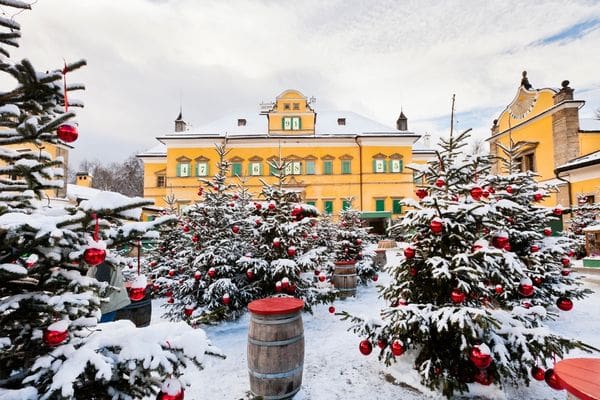
From Salzburg at Christmas to tobogganing in Kitzbühel, here’s why I think Europe is at its best in winter.
If you’ve only experienced Europe in summer, you’re missing one of its best seasons.
European winter travel offers something entirely different. The crowds thin, the pace slows, and cities feel as though they’ve settled back into themselves. Whether you’re wandering Christmas markets in Germany, sipping mulled wine in Austria, or spending a snowy afternoon in an alpine village, winter reveals a side of Europe that many travelers never see.
I’ve traveled through Germany, Austria, and Switzerland during winter, and those trips remain some of my favorites. Here’s why I keep going back.
Why I Prefer Europe in Winter
I have a theory about Europe in winter.
Most people who have only visited in summer don’t know what they’re missing.
Summer is wonderful. The cafés spill into the streets, gardens are in bloom, and long evenings seem to last forever. But winter feels like an entirely different country.
The crowds disappear. Restaurants have room for conversation instead of long waits. Museums become places to linger instead of places to shuffle through. Cities begin living for themselves again instead of performing for visitors.
That’s the version of Europe I love most.
Heidelberg’s Christmas Market Still Feels Authentic
Part of the appeal is certainly the Christmas markets, and Heidelberg remains one of my favorites.
Its market winds naturally through the Old Town beneath the castle overlooking the Neckar River. Nothing feels temporary or manufactured. The stalls seem as though they’ve always belonged there, and somehow the market feels woven into the city rather than dropped on top of it.
It’s one of those places that stays with you long after you’ve returned home.
Why Salzburg Is Magical at Christmas
Then there’s Salzburg.
The city is already stunning before December arrives. Add centuries-old Christmas markets, lights filling the historic squares, music drifting through narrow streets, and the backdrop of the Alps, and it begins to feel almost unreal.
The Christkindlmarkt in the Old Town has welcomed visitors for centuries, and you can feel that history. It doesn’t feel commercial. It feels rooted.
More than almost anywhere else I’ve visited, Salzburg captures the feeling people imagine when they dream about a European Christmas.
Kitzbühel Isn’t Just for Skiers
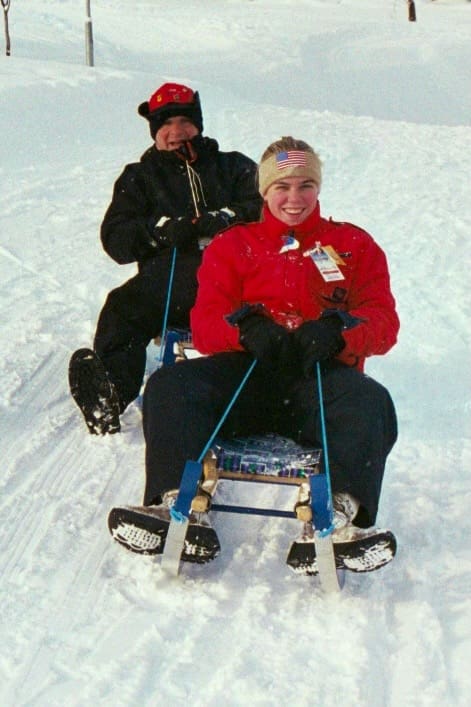
Kitzbühel surprised me.
Most people know it as one of Austria’s premier ski destinations, but my favorite memory there had nothing to do with skiing.
My husband Mark, my daughter Brittany, and I spent an afternoon tobogganing through the Alps.
It sounds simple, but racing down a snow-covered mountain with crisp alpine air and spectacular scenery became one of those travel memories we still laugh about years later.
That’s what I love about European winter travel. The moments you remember often aren’t the famous landmarks. They’re the unexpected experiences you never knew to put on your itinerary.
Even if you never put on a pair of skis, Kitzbühel is absolutely worth visiting. The village itself is beautiful, the restaurants are excellent, and winter life extends far beyond the ski slopes.
When Is the Best Time for European Winter Travel?
The answer depends on the experience you’re looking for.
If Christmas markets are your priority, plan your trip between late November and December 23 or 24. Every destination is slightly different, but most markets close before Christmas.
January and February offer something entirely different.
The markets may be gone, but alpine resorts are in full swing. Hotel rates in many cities become more attractive, attractions are quieter, and you’ll experience Europe the way locals do after the holiday crowds have left.
Neither season is better.
They’re simply different trips.
December or January? Which Should You Choose?
If you love festive lights, holiday traditions, and Christmas markets, choose December.
If you’d rather experience Europe with fewer visitors, easier restaurant reservations, and a slower pace, January may actually be the better choice.
Some of my favorite winter memories have happened after Christmas, when cities feel less like destinations and more like places where people actually live.
Quick Comparison
| Destination | Best For | Ideal Time |
|---|---|---|
| Salzburg, Austria | Historic Christmas markets and festive atmosphere | Late November through December |
| Heidelberg, Germany | Traditional Christmas market and charming Old Town | Late November through December |
| Kitzbühel, Austria | Alpine villages, winter activities, and mountain scenery | January through February |
Frequently Asked Questions
Is Europe worth visiting in winter?
Absolutely. European winter travel offers smaller crowds, beautiful seasonal traditions, cozy cities, and experiences you simply can’t have during summer.
When do Christmas markets open in Europe?
Most Christmas markets open in late November and run until December 23 or 24, although exact dates vary by destination.
Is January a good time to visit Europe?
Yes. January is one of my favorite times to visit because cities are quieter, accommodations are often more affordable, and you’ll experience a more authentic rhythm of local life.
Is Kitzbühel worth visiting if you don’t ski?
Definitely. Beyond skiing, you’ll find beautiful alpine scenery, winter hiking, tobogganing, excellent restaurants, shopping, and one of Austria’s most charming mountain villages.
European Winter Done Well
European winter travel isn’t one trip.
It might be Christmas markets in Germany, alpine villages in Austria, or quiet mornings wandering cities after the holiday crowds have gone home. It might be sipping glühwein beneath medieval castles or laughing your way down a toboggan run you never knew existed.
That’s what keeps drawing me back.
Every winter trip feels a little different, and the best itinerary depends entirely on the experience you’re hoping to have.
If Europe in winter has been on your mind, I’d love to help you create the version that’s right for you.


