
I know the South.
Born in Maryland, grew up in Virginia Beach, Jacksonville, and Atlanta. Spent most of my summers in Charleston. Family scattered across Alabama, Mississippi, Florida, Tennessee and the Carolinas meant long drives to see them, which I didn’t mind because it usually meant stopping at a yet-to-be-discovered barbecue spot. I’ve also lived in Macon, Statesboro, and St. Simons Island. I’ve hiked more mountain trails than I can count, floated down more lazy rivers than I should probably admit, and wiggled my toes on more sandy beaches along the eastern seaboard and Gulf Coast than anyone has any right to.
I think I know the South. And I think you should too.
What I want to tell you about is the version worth going back to deliberately. Charleston in the early morning before anyone else is out, the air still cool, the streets made of brick and silence. Savannah’s squares in the late afternoon, green and slow in a way that cities stopped being a long time ago. New Orleans from the side streets and the neighborhood restaurants and the particular warmth of a city that has figured out something about pleasure that other places are still working on.
These are not secret destinations. Everybody knows them. Everybody should go.
But there’s another South that doesn’t show up in most travel content, and that’s the one I find myself yearning for. Places that are quieter, more specific, and in some cases more rewarding precisely because they haven’t been written to death. If they aren’t on your list, they should be.
Sea Island, Georgia

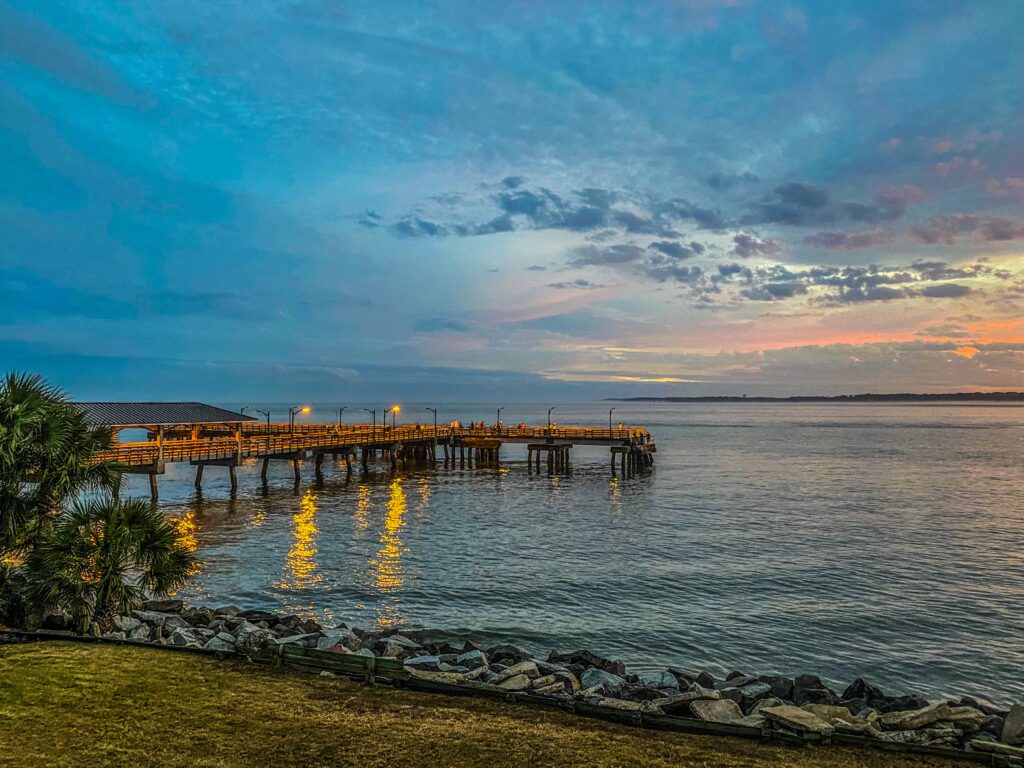
Most people have heard of St. Simons Island. Far fewer have stayed at The Cloister on Sea Island, which has been one of the great American resort experiences since 1928 and remains that today. This is a private island property — access is for guests only — with five miles of beach, a spa that takes up an entire building, and a level of service that is simply not available at most properties in this country at any price point.
It’s the kind of place families return to for generations. Not because it’s flashy — it isn’t — but because it gets the fundamentals right in a way that’s become increasingly rare. The golf is serious. The beach is uncrowded. The pace is entirely your own.
Go anytime between March and November. Spring and fall are the sweet spots — warm enough for the beach, cool enough for the evenings to feel like something. Summer is full and wonderful if you’re coming with family and want that particular buzzing resort energy. Just book well ahead. The Cloister knows its audience and fills accordingly. Who is this for: Someone who has stayed at the best resorts in the Caribbean and wants that same sense of arrival — where the staff knows your name before you reach the front desk and the only decision you have to make before noon is whether to start with golf or the beach. It\’s also for the family that has been looking for a place to become a tradition.
Beaufort, South Carolina
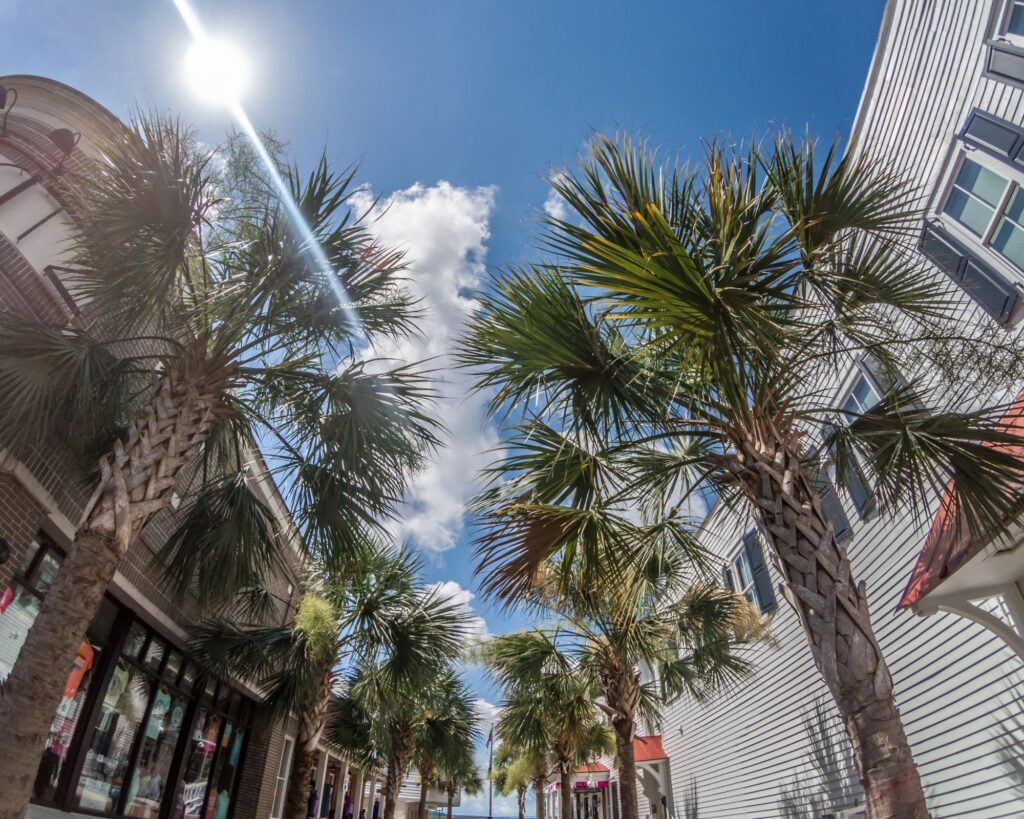
Not Beaufort, North Carolina — the other one. The one on Port Royal Sound, surrounded by sea islands and tidal marshes, where the antebellum homes survived the Civil War because Union officers found them too beautiful to burn and moved in instead. That Beaufort.
It’s quieter than Charleston by a significant margin, which is either its selling point or its limitation depending on what you’re looking for. The downtown is small and walkable, the waterfront is genuinely lovely, and the surrounding Low Country landscape — the marsh grass, the herons, the light on the water in the late afternoon — is the same geography that inspired Pat Conroy to spend most of his writing life trying to describe it.
Beaufort works beautifully as a three-night stay, either on its own or as a quieter companion to Charleston, which is about ninety minutes north. Go in April or October. The azaleas in spring are serious, and fall brings a particular quality of light to the marsh that photographers specifically plan trips around. Who is this for: The slow traveler who wants Low Country atmosphere without the crowds Charleston draws. Couples looking for something quieter and more personal. Anyone who loves being near water and doesn’t need a packed itinerary to feel like the trip was worth it.
Natchez, Mississippi
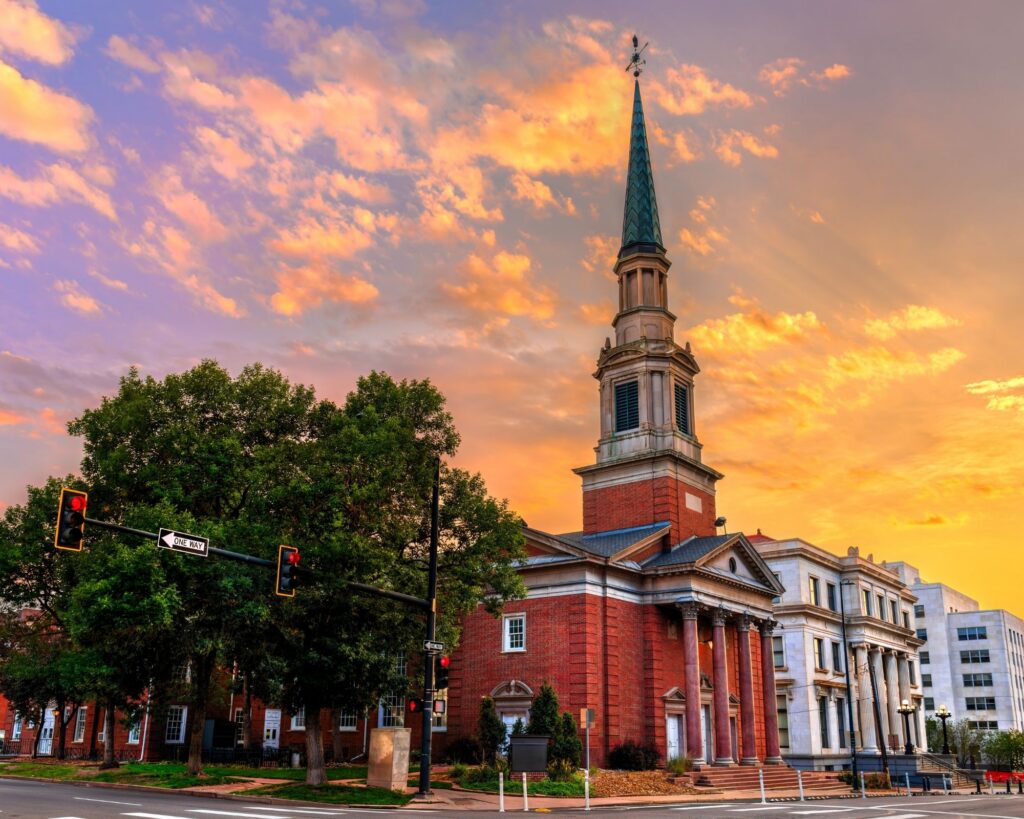
Natchez is the one I would recommend to people who think they’ve seen the South and want to understand it differently. The concentration of antebellum architecture here is unlike anything else in the country — more intact plantation homes than anywhere else in America, many of them open for tours, several of them available to stay in. It is a complicated history and the better properties engage with it honestly, which matters.
The bluff above the Mississippi River is the other thing. The view from there at sunset, watching the river move below, is one of those moments that stays with you in a way you don’t entirely expect.
The food scene has grown quietly into something worth the trip on its own. Natchez is not a weekend-trip destination from most of the Northeast — it requires a flight to Jackson or New Orleans and a drive — but for the right traveler it is entirely worth the effort. Go in spring during the Pilgrimage season when the historic homes open their doors fully, or in October when the heat has finally relented and the town is at its most livable. Who is this for: The antique hunter and the history reader. Anyone who wants to understand the American South at a deeper level than most destinations allow. Travelers who don’t mind a little effort to get somewhere genuinely worth getting to.
Highlands, North Carolina
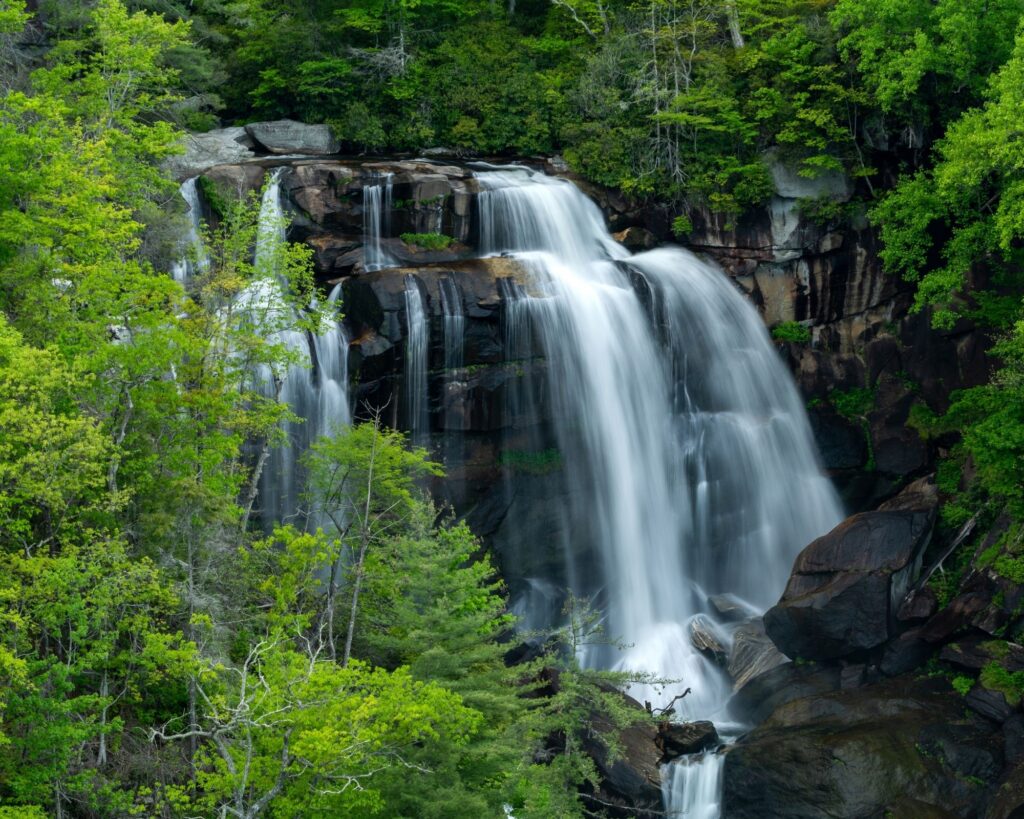
The mountain South is its own country, and Highlands sits near the top of it — literally. At roughly 4,000 feet in the Blue Ridge, it’s the highest incorporated town east of the Mississippi, which means it stays cool even in July when the rest of the South is sweltering. That alone makes it worth knowing about.
What keeps people coming back is the combination of serious inn properties, genuinely good restaurants, and a surrounding landscape that rewards hikers, fly fishermen, and anyone who simply wants to sit on a porch and watch the fog move through the mountains in the morning. Highlands and nearby Cashiers have attracted a quiet, discerning crowd for generations — the kind of place where families have had cottages for forty years and have no intention of telling anyone about it.
Summer is the season, specifically July and August when the lowland heat makes the mountains feel like a gift. The waterfalls are at their best in late spring after the rains. If a mountain escape is the point, this is one of the most civilized versions of it available on the East Coast. Who is this for: The hiker and the fly fisherman. Couples who want a mountain escape that doesn’t mean roughing it. Families escaping the July heat with a property that can actually accommodate everyone comfortably.
Any of these feel familiar? Or like somewhere you’ve been meaning to get to and haven’t? I’d love to help you think through which one is right for you, and when. Let’s chat


