
I have a confession that might surprise you, given what I do for a living.
Some of the trips I think about most often weren’t to Portugal or Japan or the Amalfi Coast. They were within the United States. A long weekend somewhere I could drive to. A flight so short the ice in my Diet Coke hadn’t melted when we landed. A place I thought I already understood, until I didn’t.
The assumption that international travel is inherently more worthwhile than domestic travel is one of the more persistent myths in travel culture. I understand where it comes from. There’s a certain glamour attached to a long-haul flight, to jet lag, to the passport stamp. And international travel can be extraordinary. I spend most of my professional life helping people plan it.
But luxury isn’t a latitude. It isn’t the number of time zones crossed. Luxury is an approach. And some of the most elevated travel I’ve experienced has been a direct flight from Philadelphia.
What Elevation Actually Means
When I use the word elevated, I don’t mean expensive. I mean intentional. I mean a trip designed with the same care and attention you’d bring to an international journey: the right property, the right timing, the right things to do and eat and see — and the right things to skip.
Most domestic travel doesn’t get that treatment. People grab a hotel on a booking site, make a reservation at the obvious restaurant, and do the obvious things. The trip is fine. Fine is not elevated.
What changes when you apply the same rigor to a trip closer to home: choosing a property that’s genuinely excellent rather than merely convenient, eating where the locals eat rather than where the hotel concierge sends everyone, building in enough time to actually be somewhere rather than just pass through it? The trip becomes different in kind, not just in quality.
The destination almost doesn’t matter. The approach is everything.
Why This Matters More Than It Used To
There’s a particular moment when time starts to feel more precious than it used to be and the best use of it isn’t always the most distant destination. This is when the case for domestic travel gets stronger. When a long weekend done properly can outperform a ten-day trip done in a rush.
I’m not arguing against international travel. I’m planning plenty of it this year for clients who want it and have time for it. But I am arguing that the calculation deserves to be made honestly, without the assumption baked in that farther is always better. And right now, there are plenty of reasons to look closer to home. Whatever yours is, the case for a well-planned domestic trip has rarely been stronger.
Sometimes the best trip is the one you took seriously enough to plan well, two hours from home.
Here are three I’d put on your list.
Charleston, South Carolina
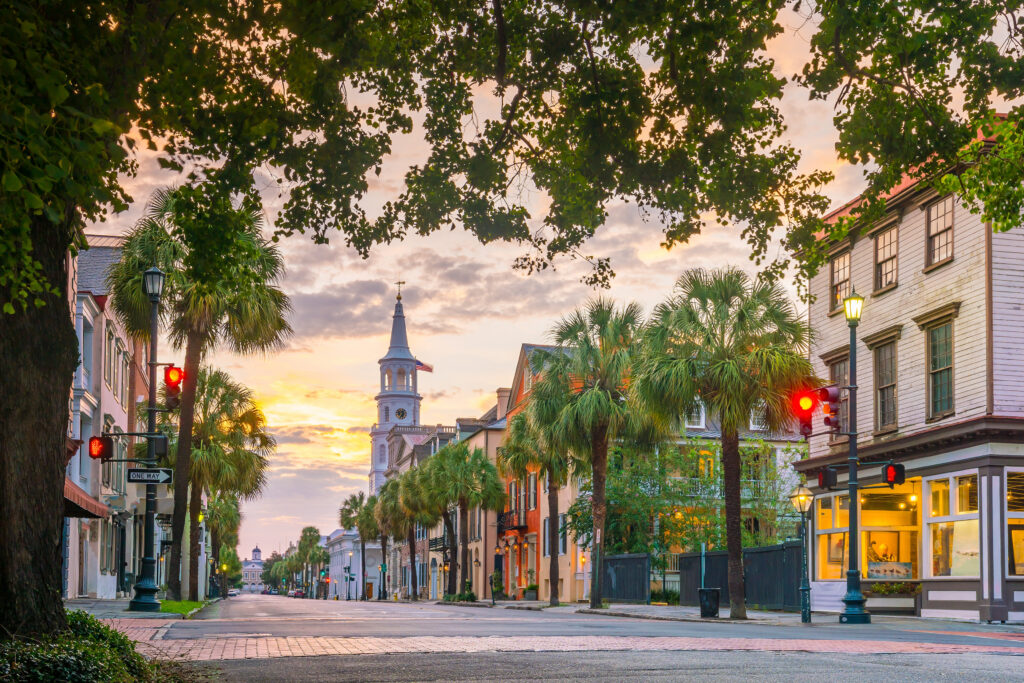
Not because it’s undiscovered — it isn’t. Because it rewards the people who go slowly. The antebellum architecture, the food scene built around local sourcing and Low Country tradition, the quiet side streets behind the main drag. Walk to dinner. The restaurants here are serious, and they deserve to be treated that way. Three to four days is the right amount of time. Any less and you’re still arriving when you have to leave.
Stay
The Dewberry Charleston is a restored Art Deco hotel that feels like stepping into the 1920s — intimate, genuine, the kind of place that gets the details right. Hotel Bennett on King Street is where the luxury is understated rather than broadcast — a collection of period rooms, a restaurant that knows what it’s doing, and the kind of service that feels like being taken care of rather than managed. Zero George Street is my go-to for someone who wants to feel deeply inside the city — a collection of restored historic cottages around a courtyard, each one different, with a cooking school attached. As a Virtuoso advisor, my clients at these properties receive exclusive benefits and amenities you won’t find booking directly.
Eat
Husk on Queen Street is the one people talk about, and the talk is deserved — the kitchen takes Southern sourcing seriously in a way that feels like a point of view rather than a marketing strategy. The Ordinary on East Bay for a grand oyster bar that gets the balance between serious and fun exactly right. 167 Raw for a fish sandwich at a marble counter with no pretensions whatsoever, which is its own form of excellence.
See
Walk the South of Broad neighborhood without an agenda and see how long it takes you to stop. Middleton Place, fourteen miles outside of town, is one of the oldest landscaped gardens in the country — the formal grounds, the rice fields, the long walk down to the Ashley River. The Gibbes Museum of Art for Southern portraiture and landscape painting in a building worth seeing on its own terms.
Santa Fe, New Mexico
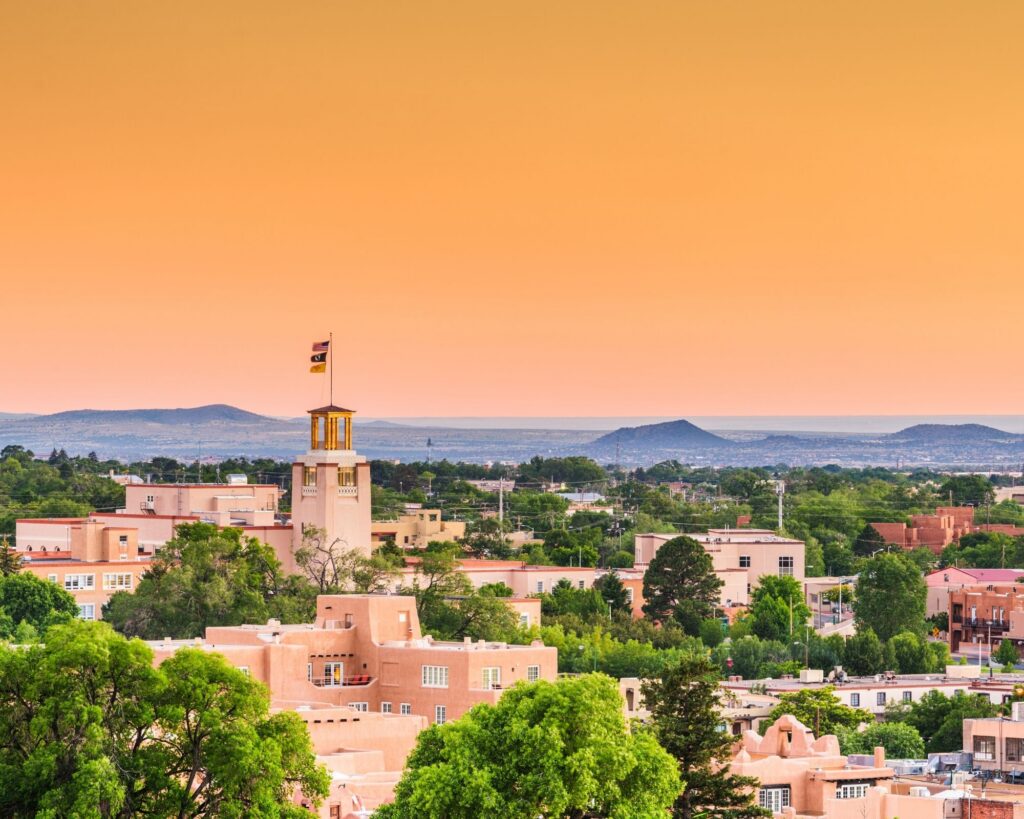
One of the most distinctive cities in the country and persistently underestimated by East Coast travelers. The high desert light is unlike anything on the coasts — warm and particular and doing something completely different to adobe at every hour of the day. Add the food, the art scene along Canyon Road, and the proximity to Taos, and you have a trip that asks nothing of you except to pay attention. Five days here goes quickly.
Stay
Bishop’s Lodge, an Auberge resort in the foothills just north of town, has genuine history and grounds that make you understand why someone chose this exact spot — horseback riding, hiking, and a spa that earns its square footage. The Inn of the Five Graces in the historic Barrio Analco is the opposite proposition: intimate, deeply place-specific, the kind of property that makes you feel like you’re staying inside Santa Fe rather than near it. The Four Seasons Resort Rancho Encantado sits on a hilltop with light that changes the landscape every hour — the kind of property where you arrive intending to go into town and realize you don’t want to leave the grounds. As a Virtuoso advisor, my clients at these properties receive exclusive benefits and amenities that aren’t available booking directly.
Eat
The Shed has been serving posole and green chile enchiladas since 1953, and there is nothing wrong with the original when the original is this good. Café Pasqual’s on Don Gaspar is a morning ritual for locals and returning visitors alike — arrive before it opens or expect a wait, because the word got out long ago. Paloma for something more contemporary: wood-fired cooking, a lovely terrace, and a menu that takes the regional pantry seriously without making you feel like you’re eating a thesis.
See
Canyon Road on a weekday morning, when the galleries are quiet and the light is good — half a mile, more than a hundred art dealers, and the cumulative effect of that much serious work in one place is something. The New Mexico Museum of Art on the plaza for context on what the Southwest has produced and what it has attracted. Meow Wolf in the Railyard defies adequate description, but I keep sending people anyway, and nobody has complained.
The Hudson Valley, New York
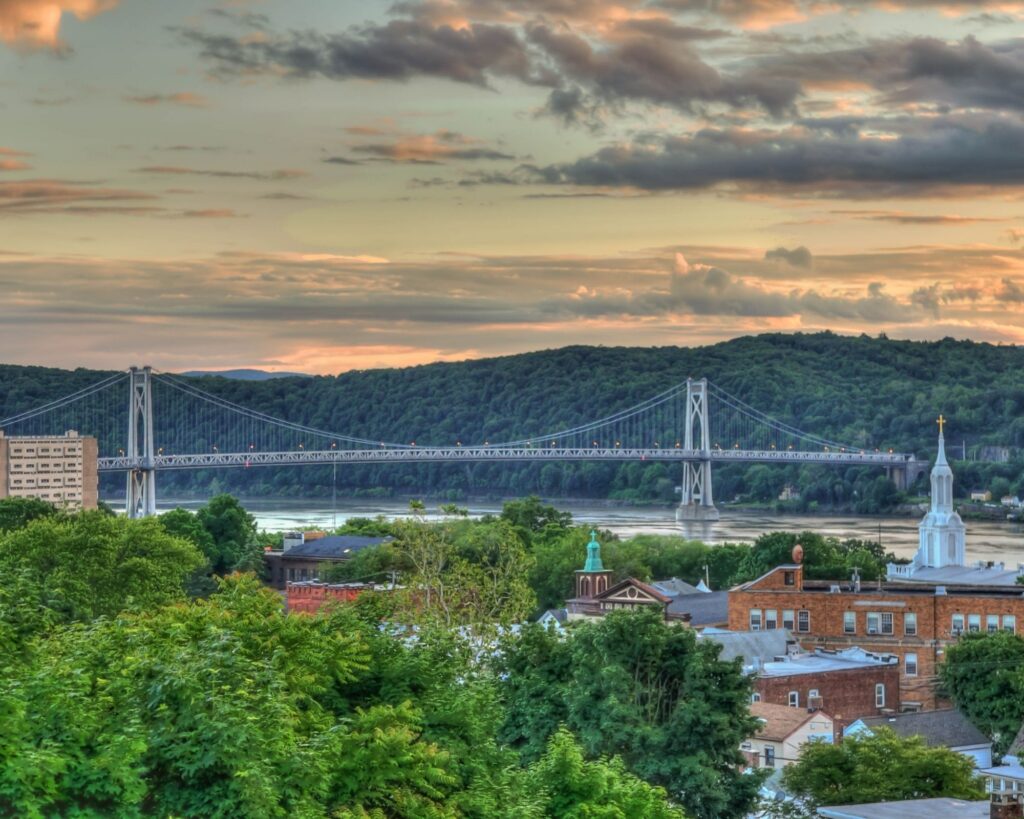
For anyone in the Mid-Atlantic or Northeast, this is the most underused trip available. Rhinebeck, Hudson, the Catskills within easy reach. Outstanding food — the farm-to-table movement has deep roots here — beautiful old inn properties, and a pace the Hudson Valley has always known how to set. In May, before the summer crowds, it is particularly good. Go on a weekday if you can.
Stay
Mirbeau Inn & Spa in Rhinebeck is a French-inspired property with serious gardens and a spa that justifies the trip on its own. The Maker ioccupies three connected historic buildings, eleven rooms in total, each one individually designed in a mix of Art Deco and mid-century modern — and the restaurant program is excellent. Troutbeck in Amenia is a historic country estate that has been hosting writers and artists since the 1920s and still gets the atmosphere exactly right, in a way that feels entirely unforced.
Eat
Terrapin in Rhinebeck for a dinner that takes local sourcing seriously without announcing it on every line of the menu. Feast & Floret in Hudson for handmade pastas in an intimate room with a flower cart in the middle of it, which sounds twee until you sit down and realize the cooking is entirely serious. For a simpler lunch between gallery stops, Le Perche on Warren Street has the bakery program to match the kitchen, and the patio is the right place to spend an hour mid-afternoon.
See
Olana, the Persian-inspired home Frederic Church built on a hilltop above the Hudson, with views he literally engineered by redirecting the road — it is one of the great American interiors and almost nobody outside the region has been. Dia Beacon for contemporary art in a converted factory on the river, which manages to be both serious and completely unpretentious. The drive along Route 9G between Rhinebeck and Hudson on a May morning, when everything is green and the river keeps appearing between the trees, is its own argument for the trip.
If you’re thinking about a domestic trip this spring or summer — whether it’s a first serious look at a place you’ve overlooked or a return to somewhere that deserves a better chapter — I’d love to talk through what makes sense. Sometimes the best trip of the year doesn’t require a passport.


