
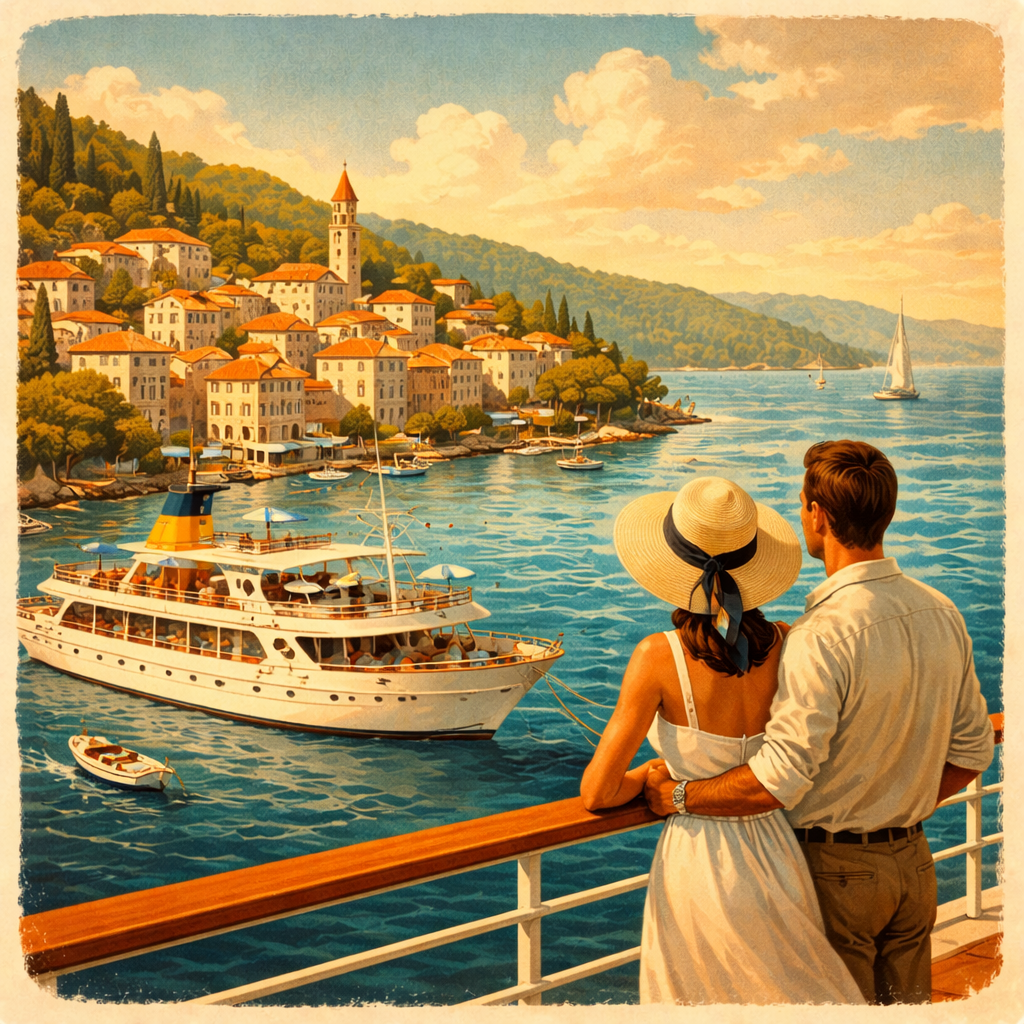
If you’ve ever looked at a photo of Dubrovnik or Hvar and thought “I need to go there,” you’re right. You do.
But here’s what I want you to know before you start planning: the Dalmatian Coast is one of those places where how you travel matters almost as much as where you go.
You could fly into Dubrovnik, check into a hotel, and have a wonderful time. You could rent a car and island-hop, booking ferries and dragging your suitcase over cobblestones in the August heat. (I don’t recommend the cobblestone-suitcase combo. Trust me on this. Or ask my Sherpa, Mark—he will tell you.)
Or you could do what I think is the smartest move: get on a small ship and let the coastline come to you.
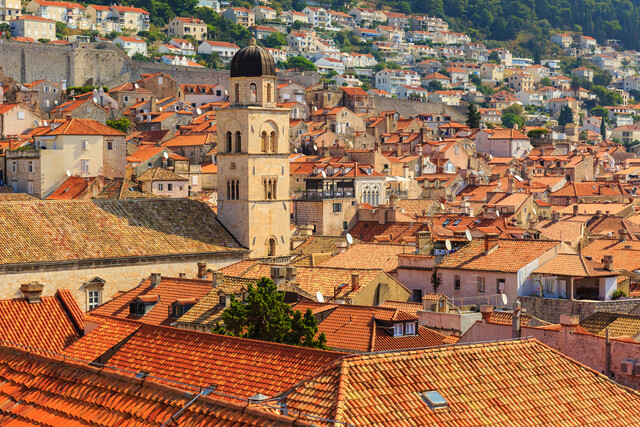
Why Small-Ship Changes Everything Here
The Dalmatian Coast isn’t like other destinations. It’s narrow, intricate, dotted with islands that feel forgotten. It’s the kind of place that reveals itself to you slowly—not all at once, but in moments. A swim stop in a cove with no name. A late-night walk through a medieval square after the day-trippers have gone. The particular quality of light on stone walls at sunset.
A small ship—the kind that carries 100 to 300 passengers—fundamentally changes what that experience feels like.
You wake up somewhere new every morning. The hops between islands are short. You’re not spending days at sea. You’re anchoring in one place, waking up to turquoise water and a stone village on a hillside, then moving on to the next one. By the end of a week, you’ve experienced six or seven different towns without ever repacking your suitcase.
The ship docks right in the old harbors. This is the thing that matters most. On a mega-ship, you tender from an industrial port an hour away by bus. By the time you’re actually in the town, you’ve already lost the morning. On a small ship, you walk off and you’re in a medieval square. You’re there before the organized tour groups arrive. You have time to wander.
Late departures and overnights mean you get the towns as they actually are. Hvar after the day-trippers leave. Korčula when the streets belong to the locals again. This is when the restaurants open, when the pace slows, when you can actually sit somewhere and have a conversation without being rushed.
Swim stops in unnamed coves. One of my favorite parts of small-ship cruising is the spontaneity. If the captain notices perfect conditions off the starboard side—a cove, clear water, the right light—the ship stops. You swim. You float. Nobody’s timing you. This doesn’t happen on big ships.
The towns don’t tip over. When 100 people step into a small town, they dissolve into the fabric of the place. When 3,000 do, the town tips over. You feel it. The restaurants get overwhelmed. The streets feel crowded. The locals start looking tired. A small ship is the difference between being a guest and being part of an invasion.
What the Days Actually Feel Like
A typical day on a Dalmatian Coast small-ship cruise:
You wake up anchored in a new place. The water is visible from your cabin window. It’s breakfast, then ashore—either guided (there are usually naturalists or historians on board who know the place deeply) or on your own. You wander. You get lost on purpose. You find a konoba—a little family place tucked down a side street—and have lunch overlooking the water.
Back to the ship for an afternoon swim or a rest. Dinner is onboard, usually excellent, usually featuring whatever seafood came in that morning. If the ship is staying overnight, you can go ashore again after dinner. The evening walks through these towns, when the light turns golden and the tourists have retreated, are where the real magic lives.
Some days are movement days—you cruise to the next island. Those days often have afternoon or morning activities: a kayak expedition, a visit to a local winery, a walk through Roman ruins. It’s the kind of pacing that lets you actually absorb what you’re seeing instead of checking it off a list.
What You’ll Eat
The Dalmatian Coast is serious about food. Fresh seafood, good olive oil, grilled everything. The konobas—family-run restaurants that tourists often miss—serve whatever came in that morning. There’s no printed menu. It’s just “today we have sea bass and squid.”
A small ship gets you to places the tour buses can’t. That means access to family wineries on Pelješac and Korčula that don’t have room for a busload of people. It means sitting at a table with a few glasses of local wine and someone’s grandmother telling you about the harvest. It means understanding why people stay here, why they’re proud of what they make.
The wine from this region doesn’t travel far. You have to go there to taste it. That alone is worth the trip.
When to Go (And Why It Matters More Than You’d Think)
Late May through June: Warm, swimmable, the season is ramping up but not yet overwhelming. Everything breathes a little easier. The islands are coming alive—restaurants are opening, local festivals are starting. It’s the sweet spot between quiet and lively.
September through early October: This is the true sweet spot. The sea is at its warmest (warmer than summer, actually—the water has been heating up all season). Days are still long. Crowds are thinning. You can actually get a table at dinner. The light in September is extraordinary. Everything golden, everything soft.
Late April through May: Cooler water, quieter towns, cheaper fares. The wildflowers are still blooming. Great if you don’t need bathwater-warm seas to be happy. The pace is gentler here.
August: Avoid it if you can. This is peak season, peak heat, peak crowds. The cobblestones are literally hot under your feet. The popular spots are shoulder-to-shoulder with tourists. A small ship helps, but August is still August.
Why This Matters to Your Trip
The Dalmatian Coast is one of those places that can be extraordinary or mediocre depending on how you experience it. Fly in, hotel-hop, check off the sights, and you’ve had a nice trip. But you’ll have felt the crowds, dragged your suitcase over unforgiving stones, and spent half your time figuring out logistics.
Get on a small ship and everything shifts. You’re not managing the trip—you’re living it. The ship handles the details. You handle the experience.
The towns stay charming because the volume stays manageable. The swim stops happen because there’s room for spontaneity. The meals taste better because they come from somewhere real. The evenings feel magical because you have time to just… be there.
Ready to Experience It?
The Dalmatian Coast by small ship is one of those trips that stays with you. Not because of the luxury (though there’s plenty of that), but because of the pacing, the access, and the feeling of having actually been somewhere instead of just visited it.
If Croatia has crossed your mind—or if you’ve been looking for a cruise that feels like a real journey instead of a floating hotel—let’s talk about what’s out there, what ships get you there the right way, and what time of year makes the most sense for you.


