
The Douro Valley is one of Portugal’s most remarkable landscapes. Terraced vineyards climb steep hillsides above the winding Douro River, with wine estates, small villages, and historic towns scattered throughout the valley.
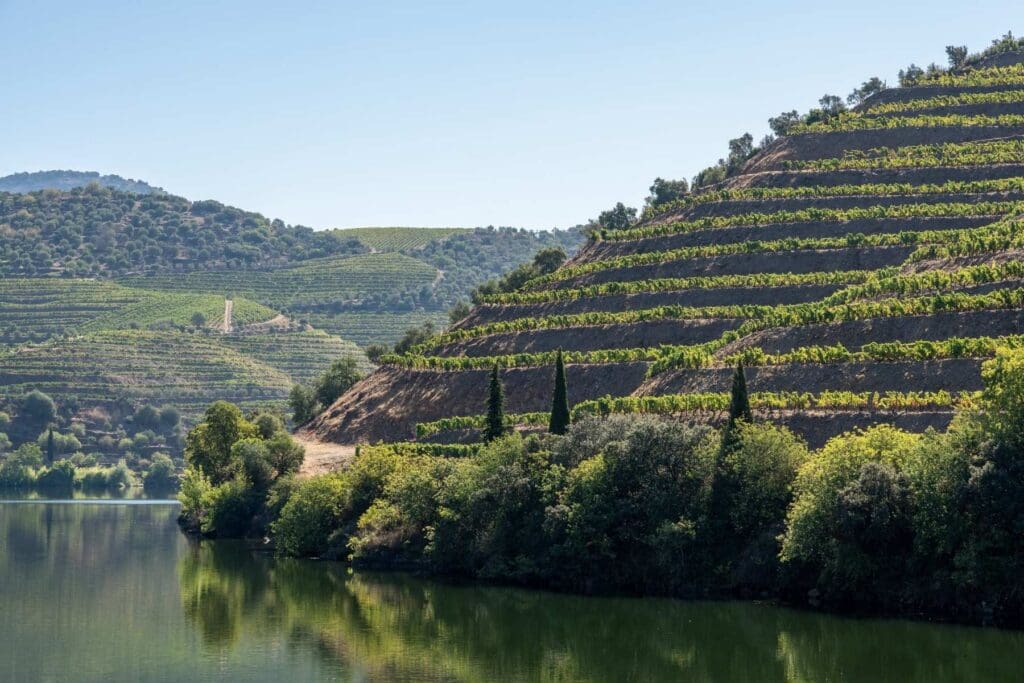
It’s also surprisingly accessible from Porto, making it a popular day trip. But while you can certainly visit a winery and enjoy the scenery in a single day, there’s much more to discover if you stay a little longer.
The Douro is the birthplace of Port wine, but the region also produces excellent red and white table wines. Add memorable restaurants, beautiful hotels, river excursions, and some of Portugal’s most scenic countryside, and you have a destination that deserves a few days of its own. The region’s distinctive vineyard landscape is recognized by UNESCO as the Alto Douro Wine Region.
How many days do you need in the Douro Valley?
Two or three nights is a good starting point for a first visit. Three nights gives you two full days to explore the vineyards, enjoy the region’s food and wine, and spend some time on the river.
A day trip from Porto is certainly possible, particularly if your schedule is limited. But with roughly two hours of travel in each direction, you’ll have to be selective about what you see. Wine enthusiasts may want four or five nights, particularly if they’re interested in visiting smaller producers or exploring beyond the central wine region.

Which part of the Douro Valley should you stay in?
The Douro Valley stretches well beyond the area most travelers visit, and where you stay makes a difference to how you experience the region.
Pinhão
Surrounded by some of the Douro’s most celebrated vineyards, Pinhão is an excellent base for wine-focused travelers. Several notable estates are nearby, and boat excursions depart directly from the village. Pinhão itself is small, but its location puts you close to the heart of the wine region.
Peso da Régua and Lamego
The area around Peso da Régua and Lamego offers a convenient base for exploring the central Douro Valley. You’ll find a good selection of wineries, restaurants, and hotels, with access to both sides of the river. Lamego also offers a little more history and sightseeing beyond the vineyards.
Castelo de Paiva and the Western Douro
Farther west, the landscape becomes greener and the valley feels more secluded. This area appeals to travelers looking for a beautiful riverside retreat, particularly those who plan to spend more time enjoying their hotel. It’s worth remembering that the western Douro is farther from the wineries around Pinhão, so location matters when choosing your accommodations.
Three Douro Valley hotels worth considering
The Douro offers everything from intimate wine-estate accommodations to full-service luxury resorts. These three properties offer quite different experiences.
Octant Douro

Set along the river near Castelo de Paiva, Octant Douro is a contemporary retreat with striking architecture, expansive river views, and a relaxed resort atmosphere. It’s particularly appealing for travelers who want to enjoy the landscape, dining, and amenities of the property itself. Its western location makes it less convenient for exploring the vineyards around Pinhão, but an excellent choice for a quieter riverside escape.
Six Senses Douro Valley
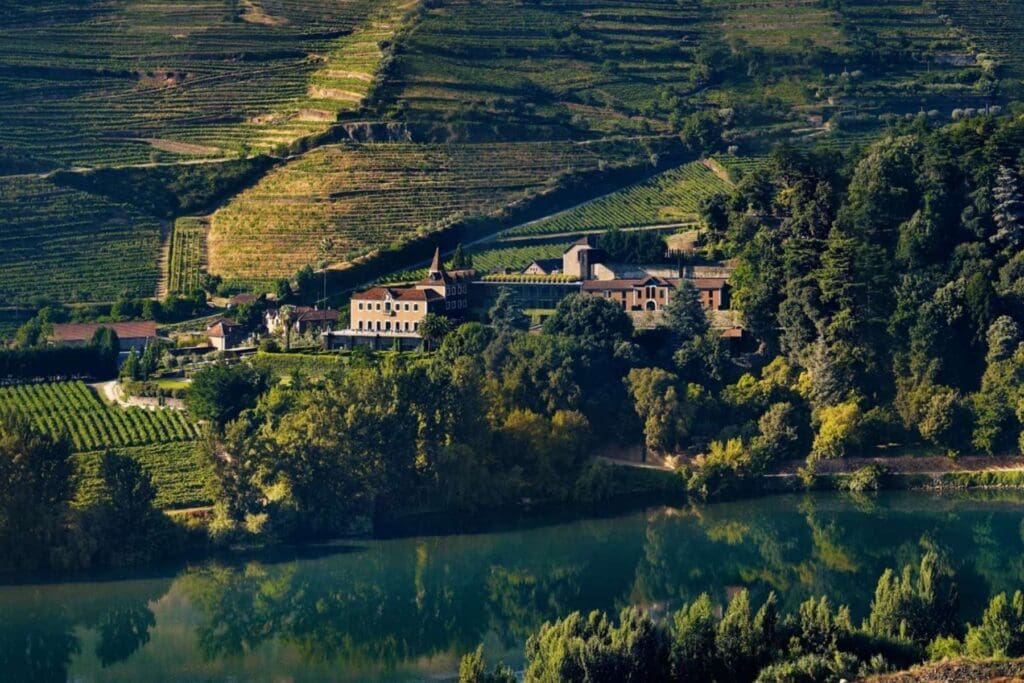
Housed in a beautifully restored manor house overlooking the Douro, Six Senses Douro Valley combines the character of a historic estate with contemporary luxury. The property is known for its wellness facilities, wine experiences, and dining, and its location near Peso da Régua and Lamego makes it a useful base for exploring the region. It’s a particularly good choice for travelers who want a full-service hotel without giving up a sense of place.
The Vintage House
In the heart of Pinhão, The Vintage House occupies a former Port wine warehouse overlooking the river. Its traditional character and central location make it especially appealing for travelers who want to be close to the vineyards. The hotel is within easy reach of Pinhão’s railway station, river excursions, and nearby estates such as Quinta do Bomfim.
Which Douro Valley wineries should you visit?

The Douro is home to hundreds of wine producers, ranging from internationally recognized Port houses to small family-owned estates. Many produce both Port and still wines, and the experiences vary considerably. I’d choose two or three wineries with different styles rather than filling every day with tastings.
Quinta do Bomfim
Located beside the river in Pinhão, Quinta do Bomfim belongs to the Symington family, whose portfolio includes Dow’s Port. Visitors can learn about the estate’s history and winemaking, explore the vineyards, and enjoy tastings with beautiful views over the river. Its location makes it particularly convenient to combine with time in Pinhão.
Quinta do Seixo
Home to Sandeman’s Douro wine tourism experience, Quinta do Seixo occupies a spectacular hillside position between Peso da Régua and Pinhão. The views alone make it memorable, but the winery also offers guided visits and tastings that introduce visitors to Port production and the surrounding vineyards.
Quinta de la Rosa
Just outside Pinhão, Quinta de la Rosa is a family-owned estate producing both Port and still wines. It’s an appealing choice for visitors interested in understanding the Douro beyond its famous fortified wines. The estate is also home to Cozinha da Clara, making it possible to combine a winery visit with a very good meal.
Advance reservations are advisable, particularly during the autumn harvest.
Where to eat in the Douro Valley
Wine may bring you to the Douro, but the food is another excellent reason to stay. Traditional cooking reflects the region’s agricultural heritage, while a growing number of restaurants offer more contemporary interpretations of Portuguese cuisine.
Bomfim 1896
At Quinta do Bomfim in Pinhão, Bomfim 1896 celebrates traditional Portuguese cooking, with an emphasis on regional ingredients and wood-fired preparation. It’s a natural choice for lunch while visiting the surrounding wineries, particularly if you’re already spending time at the estate.
Cozinha da Clara
Located at Quinta de la Rosa, Cozinha da Clara offers a lovely setting overlooking the Douro. The kitchen draws on Portuguese traditions and seasonal ingredients, and the terrace is especially appealing in good weather. It’s an excellent place to linger over lunch or dinner.
DOC
Chef Rui Paula’s DOC restaurant occupies a striking riverside setting in Folgosa, between Peso da Régua and Pinhão. The cooking is a contemporary interpretation of Portuguese cuisine, and the location, right beside the river, is part of the experience. It’s one of the region’s more distinctive dining destinations and worth planning around.
What else should you do in the Douro Valley?
You don’t need to spend every hour visiting wineries. Some of the Douro’s most memorable experiences have little to do with a tasting room.
Take a boat trip from Pinhão
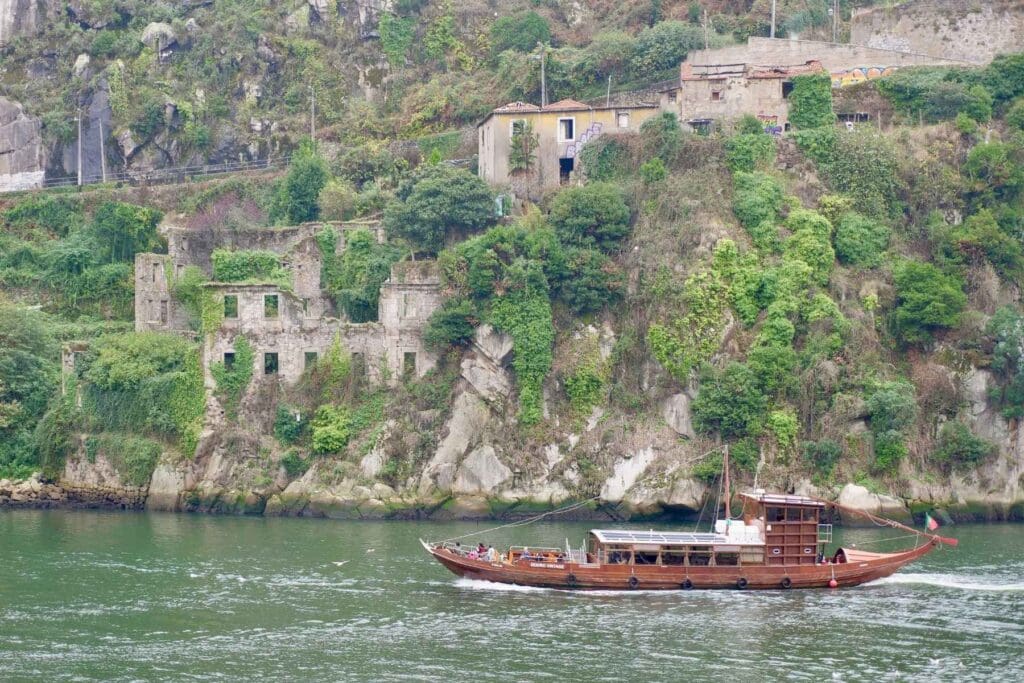
A one- or two-hour river excursion offers an entirely different perspective on the terraced vineyards. From the water, you can appreciate the scale of the landscape and the extraordinary work involved in cultivating vines on such steep hillsides.
Enjoy the scenery along the N222
The stretch of the N222 between Peso da Régua and Pinhão is one of Portugal’s most scenic roads, following the river past vineyards and small settlements. It’s a beautiful part of the valley to experience, whether you’re exploring independently or with a driver.
Visit Pinhão’s railway station
Pinhão’s small railway station is famous for its blue-and-white azulejo tile panels depicting scenes of vineyard life and the region’s wine heritage. It’s worth a stop even if you aren’t arriving by train.
Discover the Douro’s dry wines and olive oil
Port may be the region’s best-known product, but the Douro also produces outstanding red and white wines. Olive oil is another important part of the local agricultural tradition, and some estates offer opportunities to learn about and taste their olive oils alongside their wines.
When is the best time to visit the Douro Valley?
The Douro changes dramatically with the seasons, and each offers a different experience.
Spring brings green vineyards, wildflowers, and generally pleasant temperatures for exploring. Summer is warm and often very hot, particularly in July and August. Long evenings and river views are appealing, but sightseeing can be uncomfortable during the hottest part of the day.
September is harvest season, when the vineyards are busy and the region’s winemaking traditions are especially visible. It’s a fascinating time to visit, although hotels and winery experiences should be reserved well in advance. October brings autumn color to the vineyards, often with warm days and cooler evenings.
Winter is quieter, with a more subdued landscape. Some smaller estates and seasonal experiences may operate on reduced schedules. For most travelers, late spring and early autumn offer an especially appealing combination of weather, scenery, and wine experiences.
How do you get to the Douro Valley from Porto?
There are several ways to reach the Douro from Porto, and the best choice depends on where you’re staying and how you plan to explore.
By train
The railway journey from Porto follows the Douro River through increasingly dramatic scenery. Trains generally take around two hours to reach Peso da Régua and approximately two and a half hours to reach Pinhão, depending on the service.
It’s an enjoyable way to arrive, particularly if you’re staying in Pinhão, although you’ll need to consider transportation to wineries and restaurants outside the village. Check current services and schedules with Comboios de Portugal.
By rental car
Driving gives you flexibility to explore smaller villages, scenic viewpoints, and wineries at your own pace. Allow roughly 90 minutes to two hours from Porto to the Régua and Lamego area, and around two hours to Pinhão, depending on your route and traffic.
Keep in mind that roads through the vineyards can be narrow and winding, and wine tastings require some advance thought about who’s driving.
By private transfer or driver
A private transfer is a convenient way to reach your hotel without renting a car. For winery visits and sightseeing, a driver can also make it easier to combine several experiences without worrying about navigation or wine tasting.
A three-night Douro Valley itinerary
For a first visit, I’d suggest staying in the central Douro, around Peso da Régua or Lamego. This puts you within reach of the wineries, restaurants, and sights included below. The itinerary offers a good introduction to the region, with a mix of wine, food, scenery, and history.
Day 1: Arrive in the Douro Valley
Travel from Porto to the Douro and settle into your hotel. Spend the afternoon enjoying the property and its surroundings. Depending on your arrival time, you might have lunch overlooking the river, explore the grounds, or simply enjoy the views. Have dinner at your hotel or a nearby restaurant.
Day 2: Wineries, Pinhão, and the river
Begin the day with a visit to Quinta do Seixo for a winery tour and tasting, then continue to Pinhão for lunch at Bomfim 1896. After lunch, take a little time to see Pinhão’s railway station and its azulejo panels.
In the afternoon, enjoy a one- or two-hour boat excursion on the Douro. It’s a wonderful way to see the vineyards from a different perspective. Return to your hotel for the evening.
Day 3: Wine, dining, and Lamego
Start with a visit to Quinta do Vallado, near Peso da Régua, for a tour of the winery and cellars followed by a tasting. Continue to DOC in Folgosa for lunch overlooking the river.
In the afternoon, explore Lamego’s historic center and visit the Sanctuary of Nossa Senhora dos Remédios, known for its monumental staircase and views over the town. Return to your hotel for your final evening in the valley.
Day 4: Departure
Enjoy breakfast before returning to Porto or continuing your travels elsewhere in Portugal.
What should you book in advance?
The Douro Valley has become increasingly popular, and some of its best experiences have limited availability. Hotels are worth reserving early, particularly for September and October. Winery tours often require advance bookings, and smaller estates may have only a few scheduled visits each day.
I’d also reserve restaurants such as DOC and Bomfim 1896, especially if they’re important to your plans. If you’re arranging private transportation or a particular river excursion, those are best organized before arrival as well.
Ready to Explore the Douro Valley?
The right hotel, a few thoughtfully chosen wine experiences, and some very good meals can make all the difference. If Portugal is on your travel wish list, I’d love to help you put together a trip that makes the most of your time there.


